Affiliate Disclosure: We may earn a commission when you buy through links on this site — it never changes what a pick costs you.

How we are funded

Push-To-Talk Over Cellular, Explained Straight

Nationwide walkie talkies, without the marketing fog.

A new class of two-way radio rides the LTE phone network, so a crew in Texas can talk to a depot in Ohio as easily as across a parking lot. The catch? The “no fees, unlimited range” headlines leave things out. We read the fine print so you don’t have to.

See the best nationwide walkie talkies   How they work

Start with the buyer’s guide, or jump to our in-depth Echo Radios review.

Event crew members in high-visibility vests talking on handheld two-way radios across a large festival site at sunset
Event and site crews are the classic nationwide-radio use case: one button, one channel, the whole team — wherever there is mobile coverage. Editorial illustration.
$20/yrEcho’s real fee after year 1
0 milesRange without cell coverage
No licenceFCC licence needed for PoC
2 networksThe two big “no fee” brands compared

Our top pick, up front

Full buyer’s guide →
A sleek handheld two-way radio standing on an office desk beside a laptop
Top Pick — Nationwide PoC

Echo Radios

$159.99–$229 depending on model and pack size

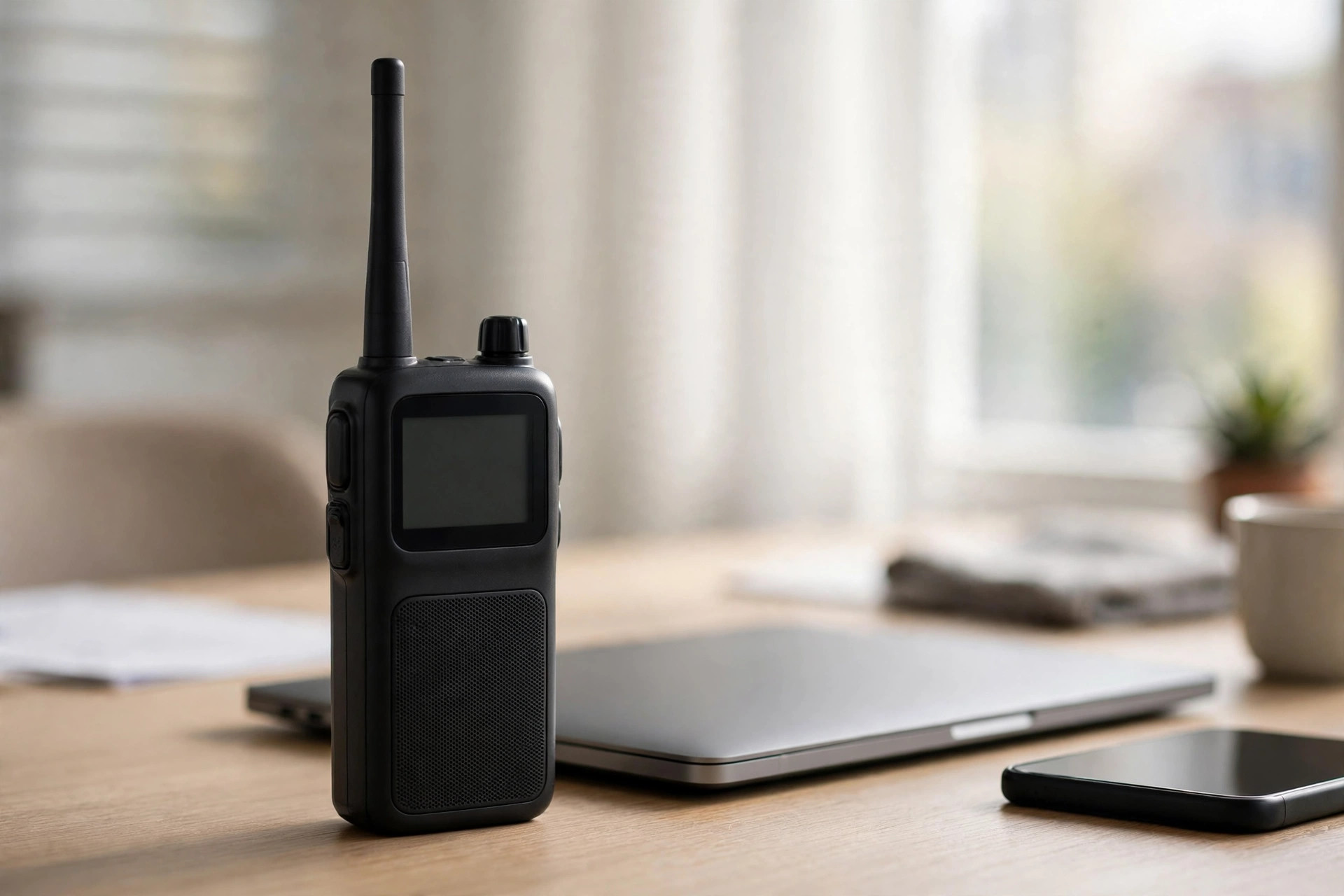
Echo Radios is the nationwide walkie talkie we point most buyers to: push-to-talk over LTE, no monthly fees, no contract, and no FCC licence. Two things we insist you know before buying: a $20 per device, per year fee starts after the first year, and Echo deliberately builds in no GPS location tracking — a privacy feature, not an omission. If your team needs live location maps, look at the GPS class in our guide instead.

Check Echo Radios pricing

Affiliate link — we may earn a commission. Read the full Echo Radios review first if you want the whole picture, fees included.

Understand the category first

All resources →
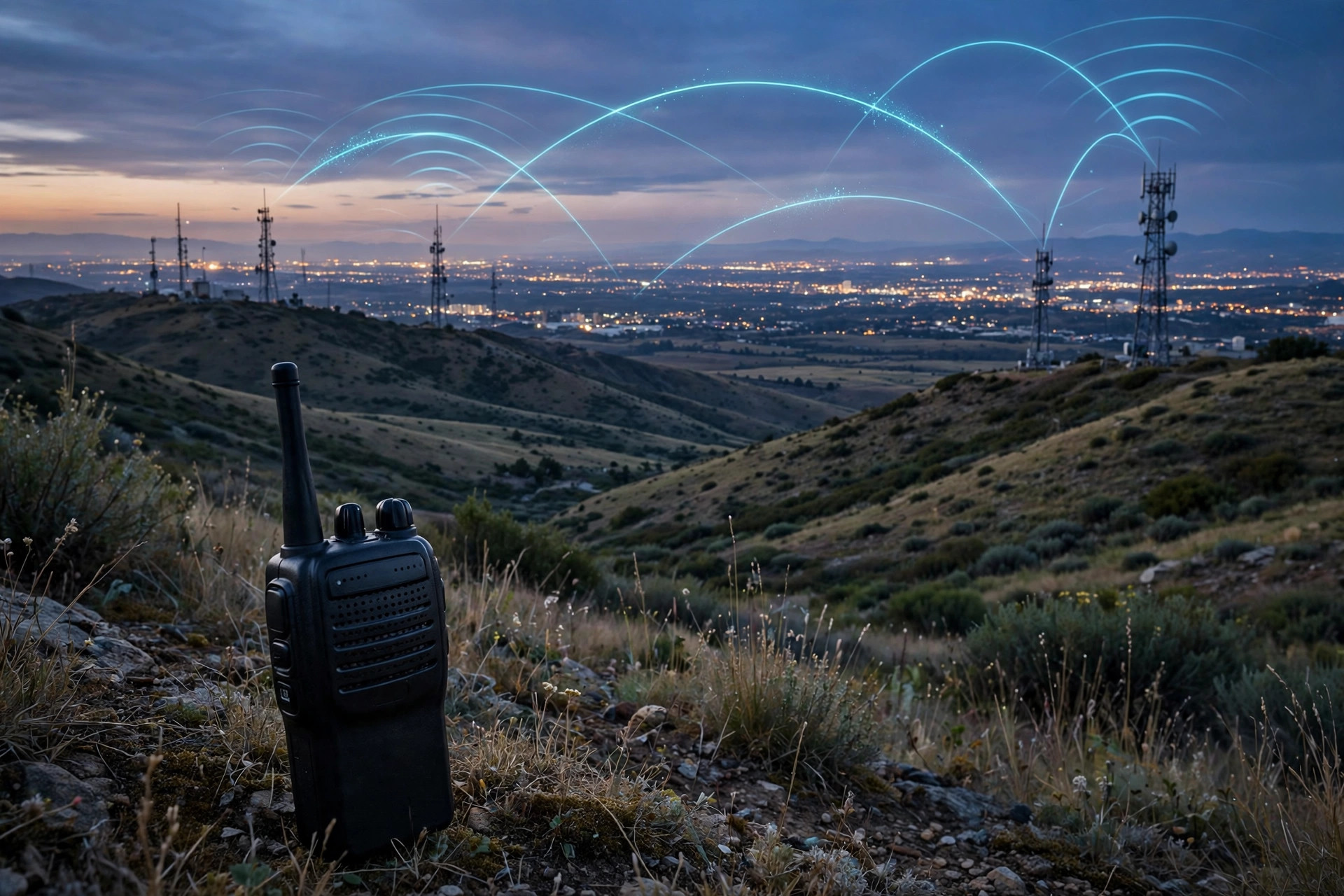
A handheld radio on a hilltop overlooking a valley with distant cellular towers

The Basics

How nationwide walkie talkies work

They are not really radios in the old sense — they are push-to-talk voice over the mobile data network. Here is what that means for coverage, SIM cards, and why “range” works completely differently.

Read the explainer →
A hiker holding a two-way radio on a mountain ridge above vast layered ranges

Range Truth

Walkie talkie range, explained honestly

“5,000-mile range” and “36-mile range” are both printed on boxes. Neither means what it sounds like. We decode every style of range claim across FRS, GMRS, and LTE radios.

Decode the claims →
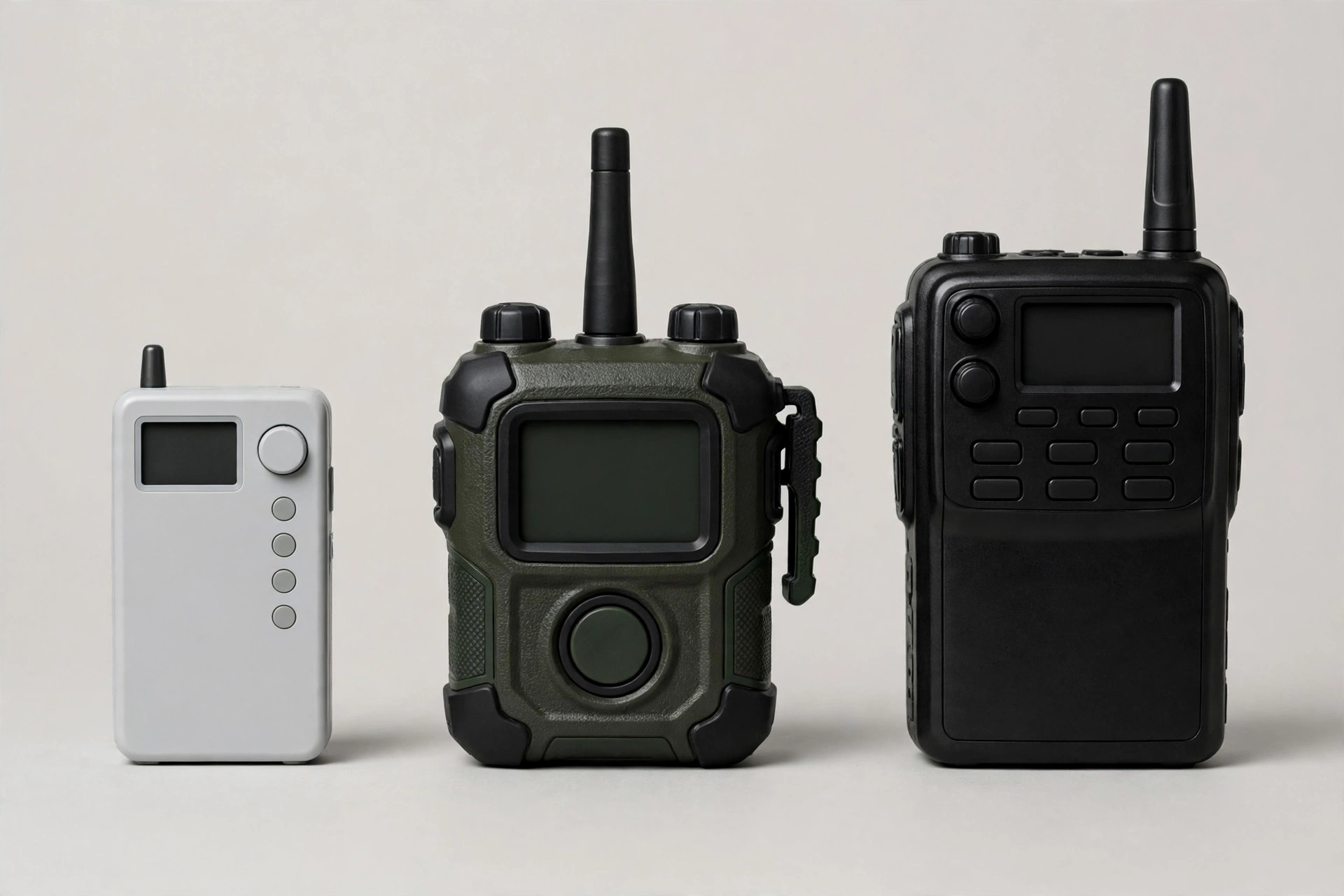
Three different classes of handheld two-way radios arranged side by side for comparison

Head To Head

PoC vs FRS vs GMRS

Three radio families, three totally different trade-offs: network dependence, licensing, real-world range, and what each actually costs over three years of ownership.

Compare the three →

The fee table nobody else prints

Full comparison →

Every major nationwide-radio brand advertises some version of “no monthly fees.” All of them are telling a partial truth. This is the short version of the table in our buyer’s guide:

BrandHeadline claimWhat actually happens after year 1GPS tracking
Echo Radios“No monthly fees”$20 per device, per yearNo — by design (privacy stance)
Rapid Radios“No monthly fees, ever”~$50 per radio, per year ($40 on autopay)Not a headline feature
Amazon PoC class (KaYoTom, Airiton)“Lifetime free” SIM$0 claimed; one rival brand requires a yearly IMEI renewal to stay “lifetime”Yes on GPS models

Figures checked against manufacturer FAQs and listings, November 2026. Prices and terms change — the full guide explains how to verify before you buy.

Guides & reviews

Common questions →
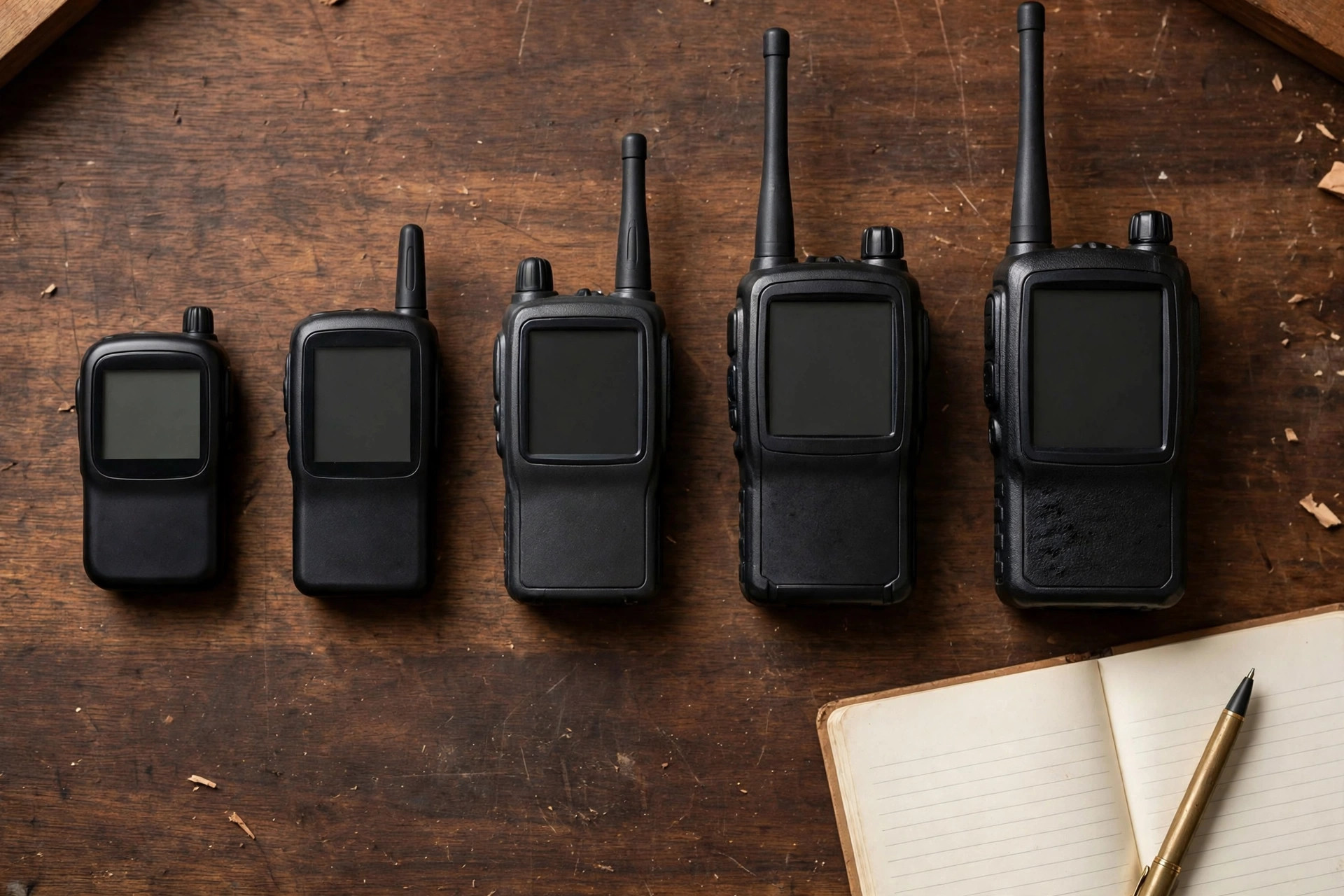
Five handheld two-way radios laid out in a row on a workbench for comparison

Buyer’s Guide

Best nationwide walkie talkies

Our ranked picks for 2026 — Echo Radios, Rapid Radios, and the GPS-equipped Amazon class — with the fee maths done for you and a clear “who should skip this” for every pick.

See the picks →
A sleek handheld two-way radio standing on an office desk beside a laptop

Review

Echo Radios, reviewed

What Echo gets right, the year-two fee stated plainly, why “no GPS” is the point for some buyers and a deal-breaker for others — and who should buy something else.

Read the review →
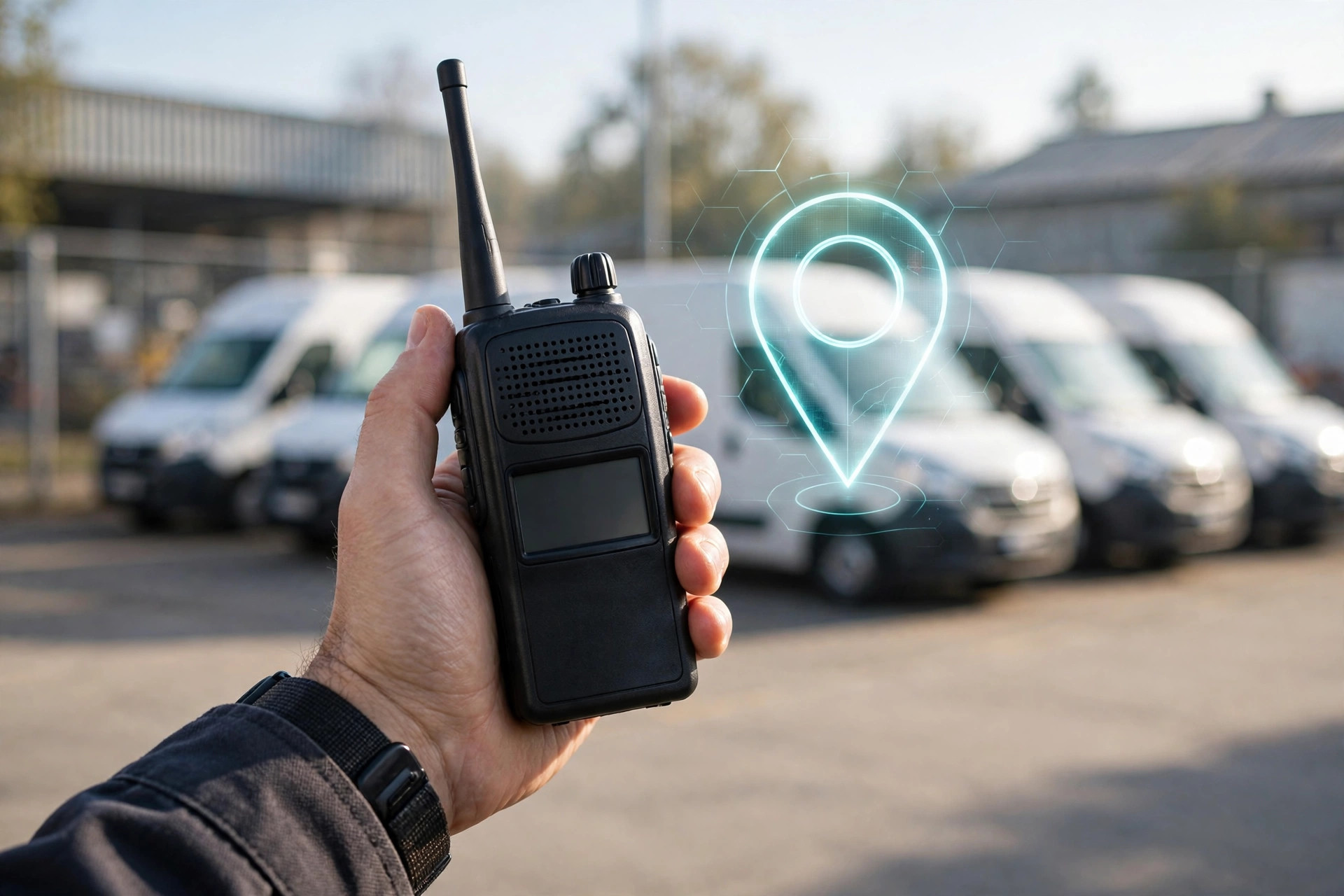
A hand holding a two-way radio in front of a row of delivery vans, with a location pin graphic

GPS Guide

GPS walkie talkies: who needs them?

Live location tracking is the one feature that splits this category in two. Fleets and event teams may need it; privacy-minded buyers actively avoid it. Here is how to decide.

Read the GPS guide →

Straight answers

All FAQs →

Do nationwide walkie talkies really have “unlimited range”?

No radio does. LTE walkie talkies work anywhere both handsets have mobile data coverage — which can be thousands of miles apart, and can also be the next valley over if there is no signal. “Unlimited” means “not limited by the radio,” not “works everywhere.” More on range claims.

Are they really free after I buy them?

Mostly not. Echo Radios charges $20 per device per year after year one; Rapid Radios charges around $50 per year. Some Amazon-sold PoC brands claim a genuinely $0 lifetime SIM. Our buyer’s guide fee table separates the claims from the contracts.

Do I need a licence?

Not for PoC/LTE radios — they run on the mobile network, not on radio frequencies you license. GMRS, the traditional long-range alternative, does require an FCC licence. See the full comparison.

How this site works

Editorial Standard

Fine print first

Every fee, renewal, and coverage caveat we can find in a manufacturer’s own FAQ or terms is printed next to the headline claim it qualifies. If a brand won’t state it, we say that too.

How We Are Funded

Affiliate links, disclosed

Some links on this site are affiliate links — currently for Echo Radios. They cost you nothing extra and they fund the research. Picks we have no affiliate relationship with are labelled as editorial mentions. Full disclosure.

Corrections

Prices change; we update

Radio pricing is promotion-driven and moves often. Pages carry the month figures were last checked, and the About page explains our standards and how to flag an error.